
Blog / 6 September 2026
Valley of Flowers from Auli: The Complete Guide
The Valley of Flowers is one of the most famous treks in the Indian Himalayas, and it's close enough to Auli to combine into the same trip — with a little planning.
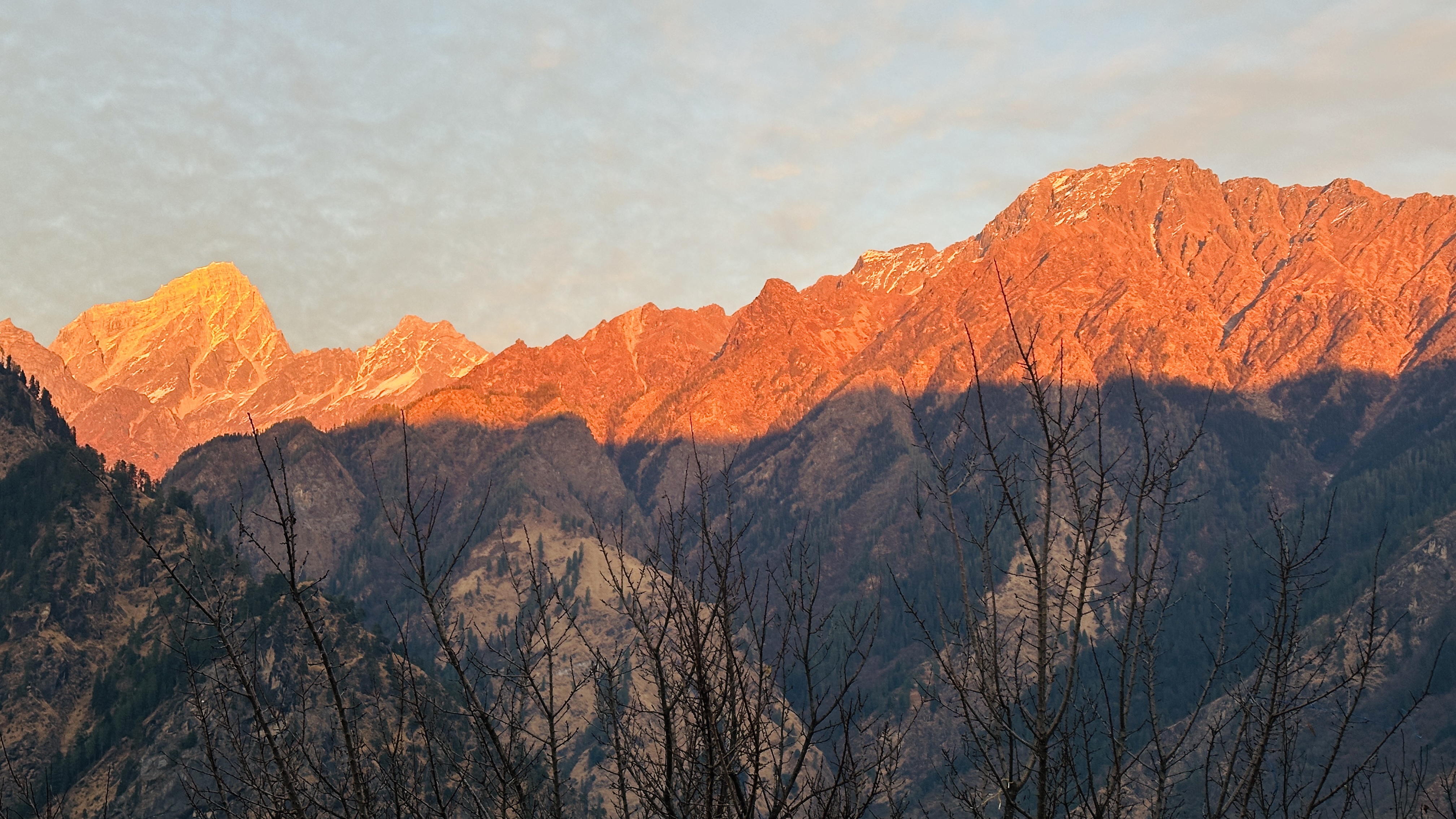
When it's actually open
This is the single most important thing to know before you plan: the Valley of Flowers National Park is open only from roughly the first week of June to the last week of October each year. Outside that window, it's closed to visitors entirely — no exceptions for weather or timing. Within the season, July and August are peak bloom, when the valley is at its most spectacular, though this also means monsoon rain and rougher trail conditions.
Route from Auli
The journey has a few stages:
- Auli to Joshimath — by road, roughly 10–16 km (the ropeway is currently closed).
- Joshimath to Govindghat — about 20 km by road, roughly an hour by taxi or bus.
- Govindghat/Poolna to Ghangaria — a trek of around 9 km, the last basecamp before the valley. Mules, palanquins (palki), and helicopter services are typically available for this stretch if you'd rather not walk it.
- Ghangaria to the Valley of Flowers entrance — a further trek of around 3.7 km, steep in places.
What to expect
Waterfalls, glacial views, and — in July/August — a genuinely dense carpet of Himalayan wildflowers, including the Brahmakamal near neighboring Hemkund Sahib. Trail conditions during peak bloom season can be muddy and slippery from monsoon rain, so proper footwear and trekking poles are worth having.
Planning it around a stay at WAMOS
Most visitors treat Auli and the Valley of Flowers as a combined trip: base at WAMOS, day-trip or overnight to Joshimath/Govindghat, then trek in. Given the trek requires an overnight in Ghangaria, plan for at least 2–3 days away from Auli for the full round trip. Get in touch and we can help you sequence the trip.